
Pregnancy is often spoken about as a beautiful, transformative chapter of life – and no truer statement has been made. At the same time, from a physiological and nutritional perspective, pregnancy is one of the most demanding processes the human body can experience.
From the earliest stages of conception through pregnancy, delivery, and the post-partum period, a mother’s body undergoes profound metabolic, hormonal, and structural changes. Supporting maternal health with IV therapy before and after pregnancy is not about “doing more,” but about recognizing the extraordinary work the female body has already done – and helping it recover with care, intention, and compassion.
Pregnancy | A High-Demand Nutritional State
To quite literally build a new human, the body must continuously supply a wide range of essential nutrients. Biologically, the female body is designed to prioritize the baby’s needs first.
Key nutrients required throughout pregnancy for the mother and baby include:
- Iron – to support increased blood volume and oxygen delivery in utero
- Calcium and magnesium – for skeletal development and proper neuromuscular function
- Omega-3 fatty acids – for fetal brain and nervous system development
- B vitamins – for cellular energy production and neurological support
- Amino acids – for tissue growth and repair
- Trace minerals – like zinc, iodine, and selenium
This demand continues daily for nine months and is followed by labour, delivery, tissue repair, hormonal shifts, and with breastfeeding. Clinically, pregnancy functions less like a temporary state and more like a prolonged metabolic marathon that the mother runs not only for her child, but for her own body’s well-being.
While prenatal vitamins can provide a valuable foundation of support, they may not fully address individual mineral and nutrient requirements, especially when factors such as nausea, digestive shifts, or increased metabolic demands affect overall quality of absorption.
Post-Partum Nutrient Depletion | Why It’s So Common
During pregnancy, nutrients are directed toward fetal development. If intake or absorption of vitamins, minerals or other nutrients cannot keep up the pace with high demand, these important components may be drawn from maternal reserves – including bone, muscle tissue, and micronutrient stores.
As a result, many women enter the post-partum period completely depleted, even when they have taken proactive steps to support their health throughout pregnancy. This depletion can persist well beyond the early weeks after delivery if not addressed specifically to their needs.
Common Signs | Post-Partum Deficiency Symptoms
Every woman’s body is different and therefore their experience is unique, but commonly reported post-partum concerns include:
- Persistent fatigue or low energy
- Brain fog or difficulty concentrating
- Mood changes or emotional sensitivity
- Reduced bandwidth for stress
- Feeling “wired but tired”.
- Hair shedding and/or thinning
- Brittle nails or skin changes
- Muscle weakness or slow physical recovery
- Feeling more prone to illness
- Difficulty feeling fully restored months after delivery
While these experiences are commonly accepted as “just part of being a new mom,” a holistic medical approach suggests they may point to depleted nutritional reserves needed for the body’s repair and rebuilding processes.
Pre-Conception Care | Building Resilience Before Pregnancy
Pre-conception health is an often-overlooked but critical aspect of maternal care.
Optimizing nutrient levels before conception can help create a physiological buffer and create reserves that allow the body to better meet the demands of pregnancy without excessive nutrient depletion.
From a clinical standpoint, entering pregnancy with adequate storage of nutrients can help with:
- Improved energy throughout the pregnancy
- Reduced post-partum depression and depletion
- Better supported repair and recovery post-delivery
Simply put, pregnancy is gentler on the body when it begins from a place of nourishment and resilience rather than from a place of “catch up”.
Post-Partum Recovery & Maternal Health with IV Therapy
After delivery, a woman’s body shifts into a recovery phase. This involves repairing tissues, restoring blood volume, rebalancing hormones, and supporting neurological and immune health, in many cases while also still providing nutrients to the child via breastfeeding. Yet this phase is often only addressed when it comes to experiencing side effects of sleep deprivation, possible stress, and irregular meals.
While oral supplements can be helpful, absorption varies widely, particularly during the post-partum period. With digestive changes, elevated stress hormones, and ongoing nutrient demands now becoming a daily occurrence as the woman navigates being a new mom, this may limit how effectively nutrients are absorbed.
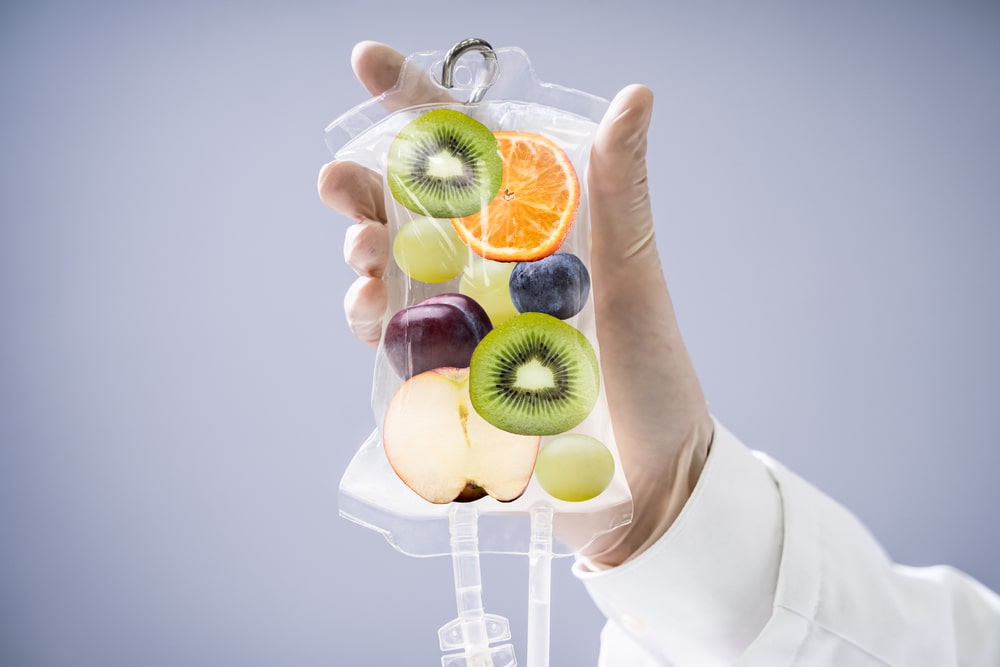
This is where IV Therapy in Calgary can offer tailored and rejuvenating support. IV nutrient therapy delivers vitamins, minerals, amino acids, and fluids directly into the bloodstream, bypassing the digestive system entirely.
This allows for:
- Higher bioavailability
- Faster nutrient replenishment
- More efficient restoration of depleted levels
Many women report improvements in energy, mental clarity, stress resilience, healing speed, and overall well-being following post-partum IV nutrient support.
IV Therapy | How It Can Support Pre-Conception & Post-Partum Health
When used appropriately and under medical supervision, IV nutrient therapy can support maternal health with IV therapy by helping to:
- Enhance cellular energy production
- Support nervous system and stress responses
- Strengthen immune function
- Promote tissue repair and physical recovery
IV therapy is not recommended as replacement for a balanced whole-foods diet or comprehensive medical care but is rather provided as a complementary therapeutic tool. It is particularly valuable during phases of increased physiological demands such as pre-conception preparation and post-partum rest, repair and recovery.
Supporting Motherhood | Fundamental Care That Honours Her Body
Postpartum care naturally places a strong focus on the baby’s health and development. But a mother’s recovery is just as important. In the midst of caring for a newborn, the mother’s needs can sometimes be overlooked. When mothers aren’t receiving the tailored nourishment, rest, and support they need, it can affect their overall well-being and the way they experience the early stages of motherhood.
From a holistic and clinical point of view, this highlights an essential truth: a truly nourished, supported mother is always better equipped to heal, adapt, and care for her family in the long term when her body has exactly what it needs.
If you’re seeking compassionate postpartum support, book a consultationwith Dr. Schlee today and let us help you feel nourished, supported, and restored.
Blog posts from Dr. Schlee are for general information only. The content should not be considered medical advice. If you are in need of professional medical advice or assistance, please reach out to your local doctor or clinic.